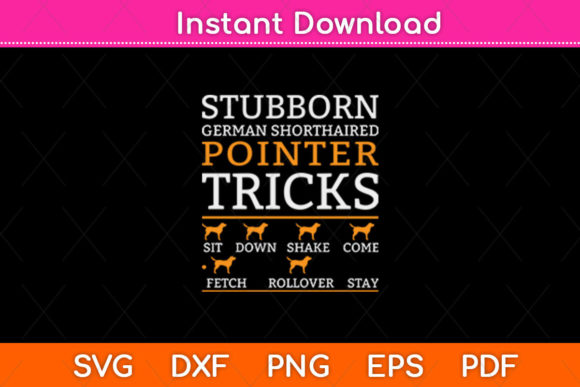
Reviewing the German Shorthaired Pointer Funny Dog Design
As a designer who has spent years digitizing patterns and troubleshooting stitching errors for clients, I approach every new machine embroidery design with a critical eye. It is not enough for a graphic to look cute on a screen; it must translate flawlessly into thread and fabric. Recently, I evaluated the German Shorthaired Pointer Funny Dog asset to determine its viability for real-world production. This review breaks down how this specific embroidery file performs when moved from digital concept to tangible handmade product.
First Impressions and Visual Personality
The immediate appeal of the German Shorthaired Pointer Funny Dog lies in its expressive character. Unlike stiff, overly technical diagrams, this design captures the playful spirit of the breed. For those of us in the Crafts industry, mood is everything. A design that feels rigid often results in a finished item that looks mass-produced. In contrast, this piece offers a whimsical layout that invites engagement. The visual personality suggests movement and joy, which is crucial for items intended as personalized gifts or boutique merchandise.
When assessing the Graphics quality, I look for clean lines and balanced negative space. Complex shapes can become muddy when stitched out, especially if the original vector paths are not optimized for needle penetration. This design appears to have a thoughtful structure, avoiding excessive micro-details that might get lost in the stitching process. It strikes a balance between recognizability and simplicity, making it a strong candidate for various applications.
Real-World Application Scenarios
To truly test a design, you must imagine it on actual goods. I visualized the German Shorthaired Pointer Funny Dog on several common substrates. For custom apparel, such as a heather grey sweatshirt, the design would serve as a charming chest emblem. The humor inherent in the image adds value, transforming a basic garment into a conversation starter. Similarly, for tote bag design, the bold outlines would stand out against canvas, providing durability and visual impact.
I also considered its use in baby embroidery projects. A onesie or burp cloth featuring this playful dog could make an excellent shower gift for hunting enthusiasts or dog lovers. However, scale is critical here. The design must be resized appropriately to fit smaller hoops without losing integrity. For holiday embroidery, such as Christmas stockings or festive aprons, the theme fits well within casual, homey decor trends. It is versatile enough to work for both Etsy seller inventories and local craft business displays.
Technical Considerations for Stitching
While the aesthetic is promising, the technical execution determines success. Since the product description notes this is an instant download file for cutting machines like Cricut and Silhouette, it is primarily a vector graphic. To use it for commercial embroidery, one must ensure it is properly digitized. If you are converting this SVG into an embroidery file, pay close attention to stitch density. High-density areas can cause puckering, while low-density areas may show the fabric underneath too prominently.
For those using pre-digitized versions, check the stitch types. A mix of satin stitch for borders and fill stitch for larger bodies usually provides the best texture. If the design relies heavily on running stitch details, ensure they are secure on stretchy fabrics. I recommend testing the design on scrap fabric first. This allows you to adjust tension and verify that the thread colors provide sufficient contrast. A dark thread on dark fabric will vanish, ruining the comedic effect of the design.
Navigating Fabric and Hoop Constraints
Not all materials behave the same way. When working with textured fabrics like terry cloth towels, the fine details of the German Shorthaired Pointer Funny Dog might get obscured. In these cases, using a stabilizer is non-negotiable. A cut-away stabilizer provides better support for items that will undergo frequent washing, such as kitchen towels or aprons. For woven fabrics like cotton or linen, a tear-away stabilizer may suffice, but always test first.
Hoop size is another limiting factor. If you are working with a small 4x4 inch hoop, you may need to simplify the design or split it into sections. Curved surfaces, such as caps or hats, present additional challenges. The design must be centered perfectly, and the backing must be robust to prevent distortion. For embroidered patch creation, ensure the edges are clean and dense enough to withstand cutting and sealing.
Commercial Viability and Brand Consistency
For small shop product lines, consistency is key. The German Shorthaired Pointer Funny Dog can help establish a recognizable brand aesthetic if used repeatedly across different items. Whether it is on a pillow cover or a blanket, the consistent use of this motif builds customer trust. Buyers engage more with products that feel cohesive and professionally presented. Using high-quality design assets like this one enhances the perceived value of your finished product.
However, licensing is a critical component of commercial use. The product description mentions it is for cutting machines, but it does not explicitly state commercial embroidery rights. Before listing items on Etsy or selling at craft fairs, confirm the license terms. Some digital files allow unlimited physical sales, while others restrict usage. Always clarify whether the file includes rights for digital embroidery file redistribution or only for creating physical goods.
Practical Designer Notes
Before committing to a large production run, follow these steps:
- Test on Scrap Fabric: Always stitch a sample to check for registration issues.
- Check Thread Contrast: Ensure the design pops against both light and dark backgrounds.
- Review Stitch Density: Adjust density settings if the design feels too heavy or too sparse.
- Confirm Hoop Size: Make sure the design fits within your machine’s maximum area.
- Inspect Small Details: Zoom in to ensure tiny elements will not break or bunch up.
- Use Proper Stabilizer: Match the stabilizer type to the fabric weight and stretch.
- Verify Licensing: Confirm you have the right to sell items made with this design.
In conclusion, the German Shorthaired Pointer Funny Dog offers strong potential for creative entrepreneurs. Its charm and versatility make it suitable for a wide range of embroidery project types. By paying attention to technical details and respecting material limitations, you can transform this digital graphic into a high-quality, sought-after item. Whether you are a hobbyist making gifts or a professional scaling a brand, this design rewards careful preparation with excellent results.