The Boujee One: A Real-World Embroidery Review
As a designer who has spent years translating digital concepts into tangible stitched goods, I approach every new machine embroidery design with a mix of excitement and skepticism. The market is flooded with generic assets, but finding a piece that truly elevates a handmade product requires a keen eye for detail. Today, I am putting The Boujee One through its paces. This isn't just a quick glance at the preview; it is a deep dive into how this specific Graphics asset performs when moved from the screen to the hoop.
First Impressions: Mood and Visual Personality
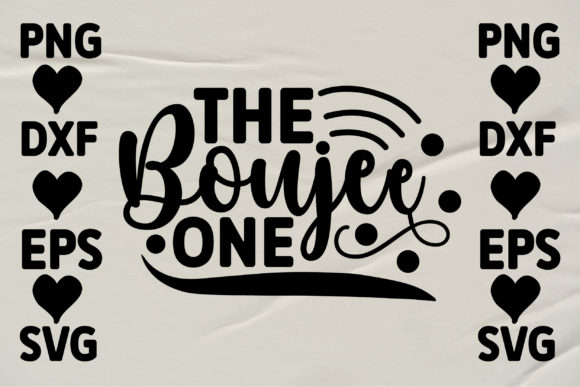
When I first opened the file for The Boujee One, the vibe was immediately clear. It carries a playful, slightly irreverent energy that screams "best friend." In the world of Crafts, designs often fall into two camps: overly sentimental or aggressively trendy. This design manages to walk the line perfectly. The layout feels balanced, avoiding the common pitfall of being too top-heavy or cluttered. For an Etsy seller or a boutique owner looking to add personality to their inventory, this visual personality is a strong selling point.
The shape suggests a modern aesthetic that works well on contemporary apparel. It doesn't feel dated. However, as someone who knows the limitations of thread and fabric, my first instinct was to assess the complexity. Does the intricate nature of the design hold up under magnification? Or does it rely on details that will get lost in a sea of fill stitch? My initial assessment is that the core elements are robust enough for production, provided the digitization handles the transitions between lines and fills correctly.
Testing the Waters: A Custom Sweatshirt Scenario
To truly evaluate The Boujee One, I imagined a real-world application: a custom embroidered sweatshirt for a local craft fair. Imagine a heavy-weight, heather grey crewneck. This is a staple item for small business merchandise, but it is also unforgiving of poor design choices. If the stitch density is too high, the fabric will pucker. If it is too low, the design will look sparse.
In this scenario, placing The Boujee One on the chest pocket area feels natural. The scale seems appropriate for a standard 5x7 inch hoop, which is the workhorse size for most home decorators and small studios. When visualizing the finished product, the contrast between the thread colors and the dark grey fabric becomes critical. The design's bold lines suggest it would pop nicely with a bright neon or a classic white satin stitch outline. This kind of visual clarity is what drives customer trust. Buyers want to see a crisp, professional finish, not a muddy mess of tangled threads.
I can already picture this as a holiday gift. Friends exchanging matching sweatshirts with this design would likely appreciate the humor and the quality. It transforms a basic garment into a personalized statement piece. That is the magic of a good embroidery project: it adds value far beyond the cost of the material.
Navigating Fabric Textures and Hoop Sizes
While the sweatshirt application looks promising, we must be realistic about where The Boujee One might struggle. Not all fabrics are created equal. If you attempt this design on thin jersey knit or highly textured canvas without proper support, you risk distortion. The curves in the lettering and the organic shapes require a stable foundation.
Stabilizer choice is non-negotiable here. For stretchy fabrics like those used in baby clothes or fitted tees, a cut-away stabilizer is essential to prevent the stitches from pulling the fabric out of shape over time. Conversely, for a structured item like a tote bag or an apron, a tear-away might suffice, but always test first. I cannot stress this enough: never skip the test run on scrap fabric. What looks perfect in the software preview can behave differently once the needle hits the cloth.
There is also the issue of hoop size. If you are working with a smaller 4x4 inch hoop, you may need to resize the design. Be cautious here. Reducing the size of The Boujee One could cause tiny details to merge together. If the original file contains fine text or delicate flourishes, shrinking them below a certain threshold will result in a blob of thread rather than legible art. Always check the minimum recommended dimensions before committing to a small patch or cap.
Commercial Viability and Brand Consistency
For the creative entrepreneur building a brand, consistency is key. The Boujee One offers a distinct style that could become part of a cohesive collection. Whether you are creating custom apparel for a wedding party, designing nursery decor, or producing limited-run items for your online shop, this design fits a niche audience that values humor and connection.
However, before listing this as a digital product or selling the finished physical items, you must verify the licensing. As a reviewer, I always advise checking if the commercial embroidery rights are included. Many designers create beautiful assets for personal use only. If you plan to sell the finished product—like a pillow cover or a hat—you need explicit permission. Selling the embroidery file itself usually requires a separate resale license. Ignoring these terms can lead to legal headaches that no small shop owner needs.
From a marketing perspective, using printable mockups to showcase this design on various products can significantly boost buyer engagement. Show it on a denim jacket, a linen tote, and a cozy blanket. Potential customers need to visualize the handmade product in their own lives. High-quality presentation builds the perception of value. If your mockups look professional, buyers assume the stitching will be too.
Practical Designer Notes for Success
If you decide to incorporate The Boujee One into your workflow, keep these practical notes in mind:
- Check Thread Contrast: Ensure the thread colors you select stand out against your chosen background. Dark fabrics demand lighter threads, and vice versa.
- Inspect Stitch Density: Look for areas where the fill stitch might be too dense. Thinning these areas can prevent puckering on softer materials.
- Verify Small Details: Zoom in on the smallest elements. If they are thinner than the width of a single thread, consider simplifying them during digitization.
- Test on Scrap: Run a test on a similar fabric to your final project. Check for tension issues and registration accuracy.
- Review Licensing: Confirm you have the right to sell items made with this design or to distribute the file itself.
In conclusion, The Boujee One presents a compelling opportunity for designers looking to inject some fun and personality into their portfolio. It is versatile enough for a wide range of applications, from baby embroidery to adult holiday embroidery gifts. However, its success ultimately depends on your execution. By respecting the limitations of the medium, choosing the right materials, and adhering to licensing guidelines, you can turn this digital asset into a standout small shop product that customers will love. It is a solid addition to any design assets library, provided you treat it with the care and attention it deserves.