Snapping Heart, Floral Snapping: A Designer's Review
As someone who has spent years navigating the intersection of digital design and physical stitching, I approach every new machine embroidery design with a critical eye. It is not enough for a graphic to look good on a screen; it must translate beautifully into thread, stabilizer, and fabric. Recently, I evaluated Snapping Heart, Floral Snapping, a Graphics file described as a funny Valentine's Day asset perfect for custom t-shirts. While the product description highlights its utility as an SVG cut file for Cricut and Silhouette machines, my focus was strictly on how this concept holds up when converted into a real-world embroidery project.
The First Impression: Visual Weight and Mood
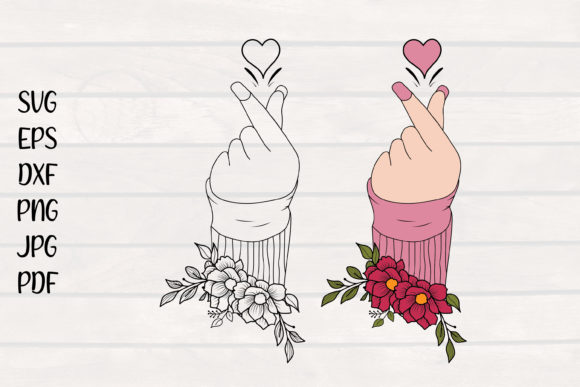
When I first opened the preview of Snapping Heart, Floral Snapping, the immediate reaction was one of playful energy. The "snapping" motif suggests movement and attitude, which is often lost in traditional, static heart designs. For a Valentine Party Celebration or a bold statement piece, this visual personality is crucial. The floral elements add a necessary softness to counterbalance the sharp edges of the snapping gesture, creating a balanced composition that feels both modern and crafty.
However, from a technical standpoint, the density of the floral details requires careful consideration. In a digital format like an SVG or PNG, fine lines are crisp. In an embroidery file, those same lines can become muddy if the stitch density is too high or if the hoop size forces the design to shrink. My initial assessment is that this design works best as a medium-to-large scale application rather than a tiny accent. The mood it creates is fun and slightly edgy, making it ideal for custom apparel aimed at younger demographics or boutique brands looking to stand out during the holiday season.
Real-World Application: From File to Fabric
To truly understand the value of Snapping Heart, Floral Snapping, I imagined a specific scenario: preparing a limited run of embroidered tote bags for a local craft fair. Tote bags are a staple for any craft business, but they present unique challenges due to their textured canvas and the need for durability. If I were to use this design here, I would likely opt for a fill stitch approach for the heart and flowers to ensure longevity, rather than relying solely on delicate outlines.
In this context, the design transforms from a simple graphic into a brand-defining element. Imagine a customer picking up a sturdy cotton bag featuring this vibrant, snapping heart. The contrast between the rough texture of the canvas and the smooth, colorful thread would highlight the handmade product quality. This kind of visual appeal directly impacts customer trust and perceived value. When a buyer sees a well-executed tote bag design, they are more likely to engage with the rest of your shop, whether you are an Etsy seller or running a physical small shop product line.
I also considered using Snapping Heart, Floral Snapping for sweatshirt embroidery. Fleece and French terry have a nap that can hide small details. Here, the bold nature of the snapping heart becomes an advantage. The larger shapes of the heart and the main floral clusters would pop against the dark or heathered fabrics common in winter wear. However, the smaller petals might require a running stitch or a very fine satin stitch to remain visible without bunching up the fabric.
Navigating Fabric Challenges
Not every surface is created equal, and this is where practical experience matters most. If you plan to use this design on thin fabric or highly stretchy materials like jersey knit, you must be cautious. The "snapping" action implies tension, and if the stabilizer is not adequate, the fabric could pucker around the dense areas of the flower petals. Always test the design on scrap fabric first. Check how the threads interact with the weave. For dark fabric, you will need a backing layer of white underlay stitches to make the colors of the heart and flowers sing.
Furthermore, consider the placement. On a cap or a curved surface, the layout of Snapping Heart, Floral Snapping might need adjustment. Curved surfaces distort flat designs. If the floral elements wrap around the curve awkwardly, the illusion of the "snap" is broken. It is often safer to place this design on the front chest of a shirt or the center of a pillow cover where the fabric lies relatively flat. For baby embroidery, safety is paramount; ensure there are no loose threads or overly dense areas that could irritate sensitive skin.
Strategic Considerations for Makers and Sellers
For the digital product sellers and creative entrepreneurs reading this, the distinction between a cut file and an embroidery file is vital. The product description mentions SVG, DXF, and PNG formats for cutting machines. These are excellent for vinyl or heat transfer applications, but they are not inherently digital embroidery files. To use Snapping Heart, Floral Snapping for actual stitching, you must digitize the design yourself or purchase a separate .PES, .DST, or .JEF file.
If you are digitizing it manually, pay close attention to the thread colors. A design that looks great in black and white mockups might fail in color due to poor contrast. Test it in printable mockup scenarios before committing to expensive thread spools. Does the red of the heart clash with the green of the leaves? Is the outline thick enough to hold its shape after multiple washes?
Also, keep licensing in mind. Before selling finished items like personalized gifts or holiday embroidery merchandise, confirm the terms of use. Some designers allow personal use only, while others grant commercial rights. As a professional, you want to protect your brand consistency and avoid legal issues. Ensure that your use of this design assets aligns with the license agreement provided by the creator.
Final Verdict on Craft Utility
Snapping Heart, Floral Snapping offers a fresh take on the classic Valentine's theme, injecting humor and movement into a genre often dominated by clichés. Its potential in Crafts is significant, provided the maker understands the transition from digital vector to physical thread. Whether you are creating an embroidered patch, decorating a kitchen towel, or designing a wedding gift, the key lies in preparation.
Review the stitch density, choose the right hoop size, and select a stabilizer that supports the weight of the design. If executed correctly, this design can elevate a simple finished product into a conversation starter. It demonstrates that you care about detail and quality, which is the hallmark of a successful commercial embroidery venture. For those willing to put in the technical work, this graphic is a worthy addition to your portfolio of Graphics ready for the needle.