Seafood Salad Nutrition Facts: A Designer Review
As a designer who has spent years navigating the intersection of digital assets and physical thread, I approach every new machine embroidery design with a critical eye. The market is flooded with generic patterns, but occasionally, a concept arrives that balances humor with genuine utility. The Seafood Salad Nutrition Facts design is one such asset. At first glance, it appears to be a simple humorous graphic for the holiday season, specifically targeting Thanksgiving and Christmas gatherings. However, when we peel back the layers and consider how this embroidery file translates from a screen to a finished product, its potential becomes much clearer.
The Visual Personality of the Design
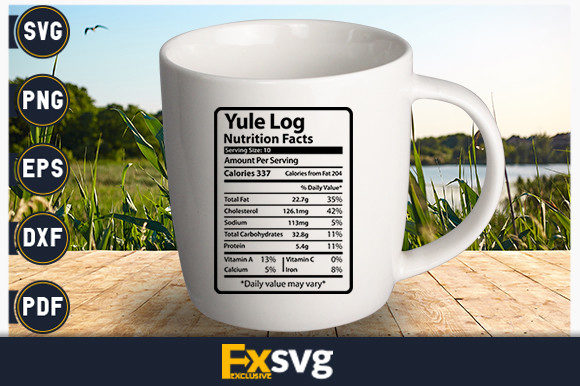
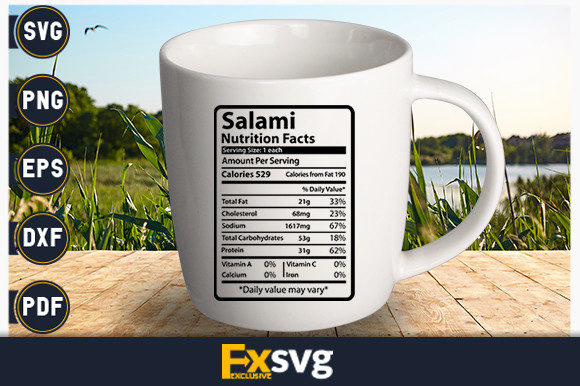
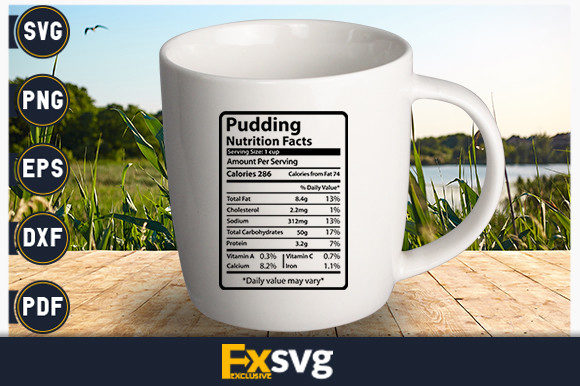
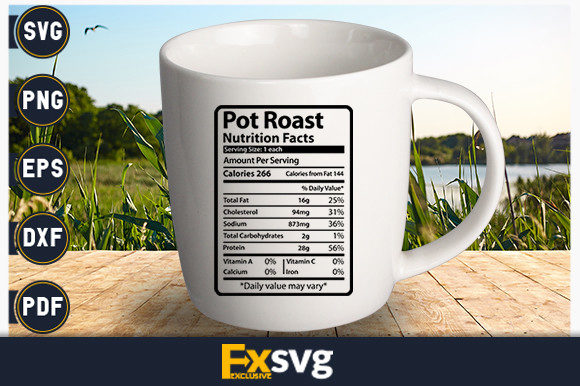
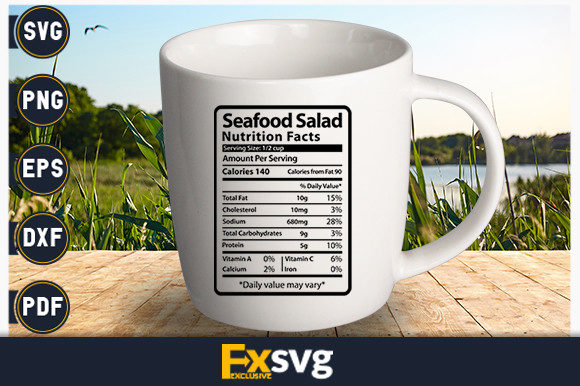
My first impression of Seafood Salad Nutrition Facts is that it leans heavily into the "funny kitchen" aesthetic. The layout mimics a standard nutrition label, which immediately triggers recognition in the viewer. This familiarity is a powerful tool in Graphics because it lowers the cognitive load for the customer; they understand the joke instantly. The shape is generally rectangular, which is excellent for placement on flat surfaces like tote bags or the front of an apron. Unlike intricate floral patterns that require complex underlays, this design relies on bold lines and clear typography. For an Etsy seller or small shop owner, this clarity is a significant advantage. It means the design can be stitched quickly without sacrificing legibility, even at smaller scales.
The mood created by this piece is lighthearted and conversational. It fits perfectly into the category of holiday embroidery where the goal is to spark a laugh during a family dinner or a potluck. When evaluating the visual personality, I find that the design works best when the text is crisp. If the stitch density is too high, the humor gets lost in a blob of thread. Therefore, the success of this project hinges on maintaining clean edges around the lettering and the nutritional data boxes.
Real-World Application: From File to Fabric
To truly test the viability of Seafood Salad Nutrition Facts, I imagined a specific scenario: creating a limited run of custom embroidered tote bags for a local craft fair. Tote bags are a staple for any craft business because they are practical, highly visible, and serve as walking advertisements. In this context, the design shines. Imagine a sturdy canvas bag in a neutral cream or beige color. Placing the tote bag design in the center, perhaps using a navy blue or deep red thread for contrast, creates a striking visual. The humor of the "nutrition facts" stands out against the plain fabric, making the bag feel personalized and witty rather than mass-produced.
Another strong use case is sweatshirt embroidery. During the winter holidays, customers often look for cozy, funny gifts. A crewneck sweatshirt with this design on the chest pocket area would be a hit. The rectangular nature of the design aligns well with the geometry of a pocket. However, if you are considering this for custom apparel like fitted t-shirts, you must be careful about stretch. The rigid structure of a nutrition label does not translate well to fabric that stretches significantly across the grain. On a sweatshirt, the fabric is usually heavier and less prone to distortion, making it a safer bet for maintaining the integrity of the text.
I also see great potential for embroidered patch production. If you cut these designs out of felt or twill and add a merrowed edge, they become versatile accessories. These patches could be sold individually or attached to denim jackets, backpacks, or hats. For a personalized gift, adding a recipient's name at the bottom of the nutrition label (perhaps as the "Serving Size") adds a layer of customization that increases the perceived value of the item.
Navigating Technical Challenges
While the concept is sound, the execution requires attention to detail. One of the primary concerns with text-heavy designs like Seafood Salad Nutrition Facts is the stitch density. If the fill stitch is too dense, the fabric may pucker, especially on lighter materials like tea towels or baby clothes. Conversely, if the density is too low, gaps will appear in the letters, ruining the professional look. Before committing to a client order, always run a test on scrap fabric similar to your final material. Check how the thread tension interacts with the specific font weight used in the design.
Fabric texture plays a crucial role here. Smooth fabrics like cotton poplin or canvas work beautifully, allowing the running stitch and satin stitch details to sit flat. However, textured fabrics like chenille or heavy fleece can cause the needle to miss stitches or create uneven surfaces. If you are working with dark fabric, you will need to ensure the backing stabilizer is robust enough to support the top stitching without showing through. A tear-away stabilizer might suffice for light items, but a cut-away is often better for garments that will undergo frequent washing.
Another consideration is the hoop size. While the design is relatively compact, you must ensure your hoop can accommodate the entire label without distorting the aspect ratio. Stretching the fabric too tightly in the hoop can warp the rectangular shape, making the "nutrition facts" look skewed. Always measure your hoop capacity against the design dimensions before starting. Additionally, if you plan to use this on curved surfaces like caps, you will need to verify if the design files include a split version suitable for cap hoops. Standard flat embroidery files often do not translate well to the curvature of a hat crown without modification.
Strategic Advice for Sellers and Makers
For those looking to sell items featuring Seafood Salad Nutrition Facts, presentation is key. Create high-quality printable mockup images that show the design on various products. Customers need to visualize how the text looks on a real garment. Show it on a white shirt, a black hoodie, and a beige tote bag to demonstrate versatility. This builds customer trust and helps buyers make informed decisions.
When pricing your finished product, factor in the time required to digitize or adjust the digital embroidery file if necessary. Even though the source files come in formats like SVG, DXF, PNG, PDF, and EPS, remember that SVG is primarily for cutting machines like Cricut or Silhouette. To turn this into an actual machine embroidery design, you will likely need to convert it or purchase a specific .PES, .DST, or .JEF version if available. Do not assume the SVG file will work directly in your embroidery machine software without conversion, which can sometimes alter the stitch path and ruin the design.
Licensing is another critical component. As a small shop product creator, you must confirm whether the license allows for commercial use of the finished goods. Some designers allow you to sell the physical items but prohibit selling the digital file itself. Always read the terms carefully to avoid legal issues. If the license permits commercial use, you have a valuable asset for your handmade product line. You can bundle these designs with other holiday-themed items to create a cohesive collection.
Final Thoughts on Value and Execution
In conclusion, Seafood Salad Nutrition Facts is a charming and practical addition to any embroidery project portfolio. Its strength lies in its relatability and the ease with which it can be adapted to various Crafts and Graphics applications. Whether you are making a quick baby embroidery gift for a nephew or producing a batch of aprons for a boutique, the design offers a fun twist on traditional holiday motifs.
However, its success depends entirely on your technical execution. Pay close attention to thread colors to ensure readability. Test the design on different fabrics to avoid puckering. And always verify the file compatibility before you start stitching. By taking these precautions, you can transform a simple digital graphic into a high-quality, professional-looking item that delights customers and enhances your brand. With the right approach, this design can become a seasonal favorite that drives engagement and sales for your creative business.