How Snowflakes Are Really Made SVG Review
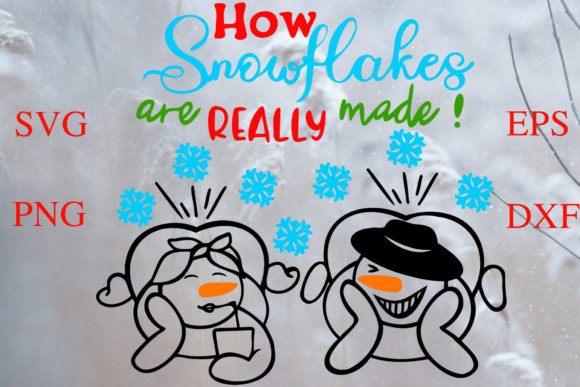
As a designer who has spent years translating digital files into tangible thread and fabric, I approach every new asset with a mix of excitement and skepticism. The market is flooded with generic holiday patterns, but occasionally, a design arrives that offers a unique narrative twist. That is exactly what happened when I opened the How Snowflakes Are Really Made SVG. This isn't just another winter motif; it is a humorous take on the season featuring a funny snowman graphic that immediately grabs attention. Before committing to any commercial run or client project, I needed to understand how this specific vector would translate from a screen into a stitched reality.
The First Impression: Humor Meets Holiday Craft
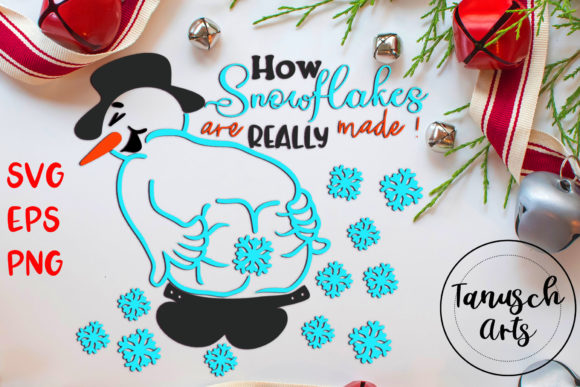
When I first viewed the How Snowflakes Are Really Made SVG, the mood was instantly established. It leans heavily into the whimsical side of winter crafts. Unlike traditional snowflake patterns that rely on intricate geometric symmetry, this design centers on a character-driven moment. The layout suggests a scene where a snowman is perhaps catching or creating snowflakes in an unexpected way. For a craft business owner looking to stand out on Etsy or at a local craft fair, this kind of personality is gold. It moves beyond simple decoration and tells a story.
Visually, the lines are clean and bold, which is promising for conversion. In the world of Graphics, clarity is king. If a vector file is too cluttered, it becomes a nightmare during digitization. However, if it is too sparse, it lacks visual weight once stitched. This particular file strikes a balance. The shapes are distinct enough to be recognized even when scaled down, yet they hold enough detail to justify a larger hoop size for premium applications like tote bags or sweatshirts.
Translating Vectors to Stitching Reality
While the product description highlights its suitability for cutting machines like Cricut, Silhouette Studio, Cameo, and ScanNCut, my focus as an embroidery professional is on how these vectors convert into a machine embroidery design. Converting an SVG intended for vinyl cutting into an embroidery file requires careful consideration of stitch direction and density.
I imagined using this design for a custom embroidered tote bag. Tote bags are a staple for small shop products because they offer a large, flat canvas. The How Snowflakes Are Really Made SVG would work beautifully here, provided the digitizer uses a combination of fill stitch for the snowman's body and satin stitch for the outlines to create definition. The humor of the graphic relies on the viewer seeing the "action," so the stitching must be crisp. If the stitch density is too high, the fabric might pucker, ruining the playful vibe. Conversely, if it is too low, the design will look flimsy and cheap.
For custom apparel, specifically sweatshirt embroidery, the scale becomes critical. A large back print could feature the full scene, while a smaller chest pocket application might require cropping the design to focus solely on the snowman's face or the central action. This flexibility makes it a versatile asset for an Etsy seller managing inventory across different garment sizes.
Navigating Fabric Challenges and Hoop Limitations
Not every project is as forgiving as a cotton tote bag. When considering baby embroidery or items made from stretchy knits, the How Snowflakes Are Really Made SVG demands caution. Stretchy fabrics can distort the geometry of the snowman, making him look warped rather than funny. In these cases, using a heavy-duty stabilizer is non-negotiable. You must test the design on scrap fabric first to ensure the tension holds up after washing.
Another challenge arises with textured fabrics like fleece or thick wool blends often used for holiday gifts. The texture can interfere with the fine details of the snowflakes or the text elements within the graphic. If the design includes tiny lettering explaining the "how" part of the title, it may get lost in the pile of the fabric. In such scenarios, I would recommend simplifying the design or increasing the hoop size to allow for larger, bolder stitches that sit on top of the texture rather than sinking into it.
Curved surfaces, such as caps or hats, present their own hurdles. Digitizing a wide graphic like this for a curved brim requires splitting the design into sections or re-drawing the vectors to follow the curve. Attempting to force the full How Snowflakes Are Really Made SVG onto a standard cap hoop without modification could lead to registration errors where the snowman looks disjointed.
Commercial Viability and Brand Consistency
For creative entrepreneurs selling handmade products, the visual appeal of the finished item directly impacts customer trust. A well-executed version of this design signals professionalism. The humor adds a layer of engagement that customers love to share on social media, effectively acting as free marketing for your brand. Imagine a customer posting a photo of a personalized gift featuring this snowman; the reaction is likely to be positive and viral.
However, consistency is key. If you plan to use this as a recurring element in your boutique branding, ensure the color palette matches your existing line. The original vector allows for customization, but in embroidery, changing thread colors changes the perception of the design. A bright red hat on the snowman pops against a navy blue background, but might clash with a pastel nursery decor theme. Always review your designs in black and white mockups first to check contrast before committing to expensive thread purchases.
Practical Designer Notes for Success
Before you finalize your order or list your items for sale, keep these practical notes in mind:
- Test Run is Mandatory: Never skip the test on scrap fabric. Check for puckering, especially in areas where the snowman meets the background.
- Check Licensing: While the file comes in a ZIP with multiple formats, confirm the licensing terms. Ensure you are permitted to sell finished goods or digital products derived from this digital embroidery file.
- Stabilizer Matters: For dark fabrics, consider a cutaway stabilizer to support the thread weight, ensuring the white or light-colored threads of the snowman remain vibrant.
- Detail Inspection: Zoom in on the smallest elements. If the design includes tiny snowflakes, ensure your machine can handle them without breaking needles or skipping stitches.
- Mockup Verification: Use printable mockups to visualize how the design looks on different products, from pillow covers to kitchen towels, before starting production.
Final Verdict on Project Suitability
The How Snowflakes Are Really Made SVG is a standout asset for those willing to put in the extra effort to adapt it correctly. It is not a one-size-fits-all solution, but for the right project, it delivers exceptional value. Whether you are creating a holiday embroidery collection, designing a limited-run embroidered patch, or crafting a unique personalized gift, this design offers the perfect blend of humor and holiday spirit.
It fits seamlessly into the Crafts category, appealing to hobbyists and professionals alike. The key lies in understanding the limitations of your equipment and fabric. By respecting the material and taking the time to digitize thoughtfully, you can transform this funny snowman graphic into a high-quality, best-selling item. For small business owners looking to inject some fun into their winter catalog, this is definitely a design worth adding to your portfolio.