Halloween Will Trade Sister for Candy Review
As a designer who spends countless hours evaluating machine embroidery design assets for both personal projects and client work, I approach every new file with a mix of excitement and skepticism. The market is flooded with generic clip art that looks great on a screen but falls apart under the needle. When I first encountered the Halloween Will Trade Sister for Candy graphic, my initial thought was about its potential as a humorous, seasonal statement piece. This isn't just another spooky pumpkin or ghost; it taps into the relatable chaos of family dynamics during the holidays. For an Etsy seller or a small shop owner looking to create a memorable handmade product, this specific Graphics asset offers a unique angle that stands out in a sea of traditional Halloween motifs.
First Impressions: Visual Personality and Layout
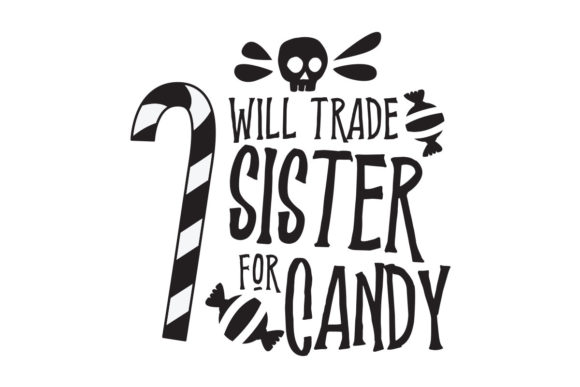
The visual layout of Halloween Will Trade Sister for Candy immediately suggests a playful, slightly mischievous tone. The typography is bold enough to be legible even when stitched, which is a critical factor for any embroidery project. Unlike many designs where the text gets lost in dense fill stitch areas, the lettering here maintains a clear hierarchy. The accompanying imagery, likely featuring a child and perhaps a candy bucket or a sibling figure, creates a narrative that customers can instantly connect with. In the realm of Crafts, storytelling through design is what separates a commodity from a cherished item. This design feels like it belongs on a cozy fall sweatshirt or a personalized tote bag that a parent would proudly carry to a neighborhood trunk-or-treat event.
When considering the stitch density, the design appears balanced. It avoids the common pitfall of overstuffing small areas with thread, which often leads to puckering on lighter fabrics. However, without seeing the actual embroidery file data, I always advise checking the preview carefully. The transition between different elements should be smooth, utilizing satin stitch for outlines and running stitch for finer details if the resolution allows. The mood it creates is lighthearted and fun, making it an excellent candidate for holiday embroidery collections aimed at families.
Real-World Application: From Hoop to Finished Product
Let's imagine a real-life scenario. You are preparing a batch of custom apparel for your online store, specifically focusing on custom apparel for kids and parents. You decide to use Halloween Will Trade Sister for Candy on a heather grey cotton blend sweatshirt. This fabric choice is crucial because the texture helps hide minor stitching imperfections, and the color provides a neutral backdrop that lets the vibrant thread colors pop. As you hoop the garment, you realize the design size fits perfectly within a standard 5x7 inch hoop, leaving enough room for proper tension without distorting the image.
Once the machine starts, the design flows smoothly. The text remains crisp, and the character details hold their shape. After washing the sample, the finished product retains its integrity, proving that the stabilizer used was appropriate for the weight of the fabric. Now, picture this same design applied to a canvas tote bag design. The sturdy nature of the canvas supports heavier threads, allowing for a more textured look. Customers buying these items aren't just purchasing a shirt or a bag; they are buying a conversation starter. The humor inherent in "trading sister for candy" resonates deeply with parents, increasing the perceived value of the item and boosting buyer engagement.
For those creating embroidered patch products, this design works exceptionally well. Patches allow for creative placement on denim jackets, backpacks, or even hats. The distinct shapes in the Halloween Will Trade Sister for Candy graphic ensure that the edges of the patch remain clean after cutting, provided the hoop size accommodates the full design width. This versatility makes it a strong asset for a craft business looking to diversify its inventory without investing in entirely new machinery setups.
Navigating Challenges: Fabric and Technique Considerations
While the design is robust, there are specific situations where caution is required. If you attempt to scale Halloween Will Trade Sister for Candy down for a small cap or a baby onesie, the intricate details might suffer. Tiny lettering can become illegible, and fine lines may merge into blobs if the stitch density isn't adjusted accordingly. Always test the design on scrap fabric first, especially when working with textured fabrics like fleece or knit materials that stretch. Stretchy fabric requires a cut-away stabilizer to prevent the design from warping after wear and wash cycles.
Dark fabrics present another challenge. While the design is colorful, using light-colored threads on black or navy backgrounds requires precise registration. If the applique design elements (if applicable) or the fill stitches aren't dense enough, the dark fabric will show through, diminishing the visual appeal. In such cases, adding a layer of backing or using a tonal thread palette can enhance contrast. Additionally, avoid placing the design on curved surfaces like the front panel of a cap unless you have tested the curvature tolerance. The straight lines of the text might bow unexpectedly, ruining the professional look of the commercial embroidery piece.
Strategic Advice for Designers and Sellers
Before committing to a production run, I strongly recommend creating printable mockup versions of the design in both black and white and full color. This helps visualize how the design translates from a digital screen to a physical object. Check whether the digital embroidery file formats available—such as SVG, DXF, EPS, or PNG—are compatible with your specific software and cutting machines. While the product description mentions compatibility with various cutting machines, embroidery machines require specific file types. Ensure you have the correct conversion tools if you are moving from a vector graphic to a stitch file.
Licensing is another critical aspect for small shop owners and Etsy sellers. Confirm that the license terms allow for the sale of finished goods. Some designers restrict the number of items you can sell or prohibit selling the digital file itself. Understanding these boundaries protects your business from legal issues and ensures you are respecting the intellectual property of the original creator. If you plan to offer this as a personalized gift, consider offering customization options, such as changing the name of the sibling or the type of candy mentioned, which adds a layer of exclusivity to your offerings.
Finally, think about brand consistency. Does Halloween Will Trade Sister for Candy align with your shop's aesthetic? If your brand focuses on elegant, minimalist decor, this playful design might feel out of place. However, for brands targeting families, humor, and seasonal fun, it is a perfect fit. By carefully selecting your design assets based on your target audience and product line, you build trust with your customers. They come to expect quality and relevance from your handmade product line, and delivering on that expectation is key to long-term success.
Final Thoughts on Commercial Viability
In conclusion, Halloween Will Trade Sister for Candy is a strong contender for your seasonal collection. Its relatable theme, combined with a solid structural layout, makes it suitable for a wide range of applications, from baby embroidery to adult sweatshirt embroidery. By paying attention to fabric choices, stabilizer usage, and licensing terms, you can maximize the potential of this design. Whether you are a hobbyist looking to make gifts for friends or a professional decorator scaling up for a holiday rush, this design offers the right balance of charm and practicality. Test it, refine your process, and watch as it becomes a favorite among your customers this Halloween season.