Funny Chicken Lady: A Designer's Embroidery Review
As a designer who has spent years translating digital graphics into tangible thread, I approach every new asset with a critical eye. The market is flooded with generic patterns, but occasionally, a design arrives that sparks immediate creative ideas for real-world applications. Funny Chicken Lady is one such graphic. While the product listing describes it as a set of SVG and PNG files ready for cutting machines like Cricut or Silhouette, my focus today is on how this specific character translates from a flat screen file into a textured, stitched reality for your craft business.
The Visual Personality of the Design
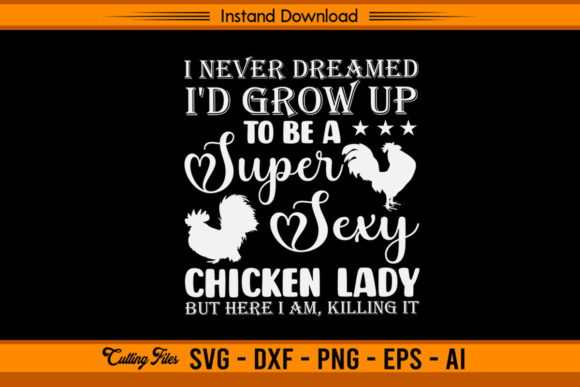
At first glance, Funny Chicken Lady exudes a whimsical, slightly chaotic energy that fits perfectly within the current trend of humorous, personality-driven home decor and apparel. The character is bold, likely relying on strong outlines and distinct shapes to convey her expression. For an embroidery project, this is a double-edged sword. On one hand, clear lines are excellent for maintaining definition when converted to a machine embroidery design. On the other, if the original graphic relies too heavily on tiny details or thin lines, those elements can get lost in the stitch density.
When evaluating this for a handmade product, I immediately picture it on a canvas tote bag or a heavy cotton apron. The "Chicken Lady" archetype suggests a farm-to-table aesthetic or a playful kitchen theme. If you are an Etsy seller looking to expand your boutique branding, this type of Graphics category item offers a high potential for customer engagement because it tells a story. It’s not just a pattern; it’s a statement piece that invites a smile.
From Digital File to Stitched Reality
Before committing to a final production run, I always simulate the stitching process mentally. Since the source files are primarily for cutting, converting Funny Chicken Lady into a true embroidery file requires careful digitizing. You cannot simply import a vector shape and expect perfect satin stitch results without adjusting the underlay and pull compensation.
In a real-life scenario, imagine creating a custom sweatshirt for a local farm stand owner or a personalized gift for a poultry enthusiast. The challenge lies in the fabric texture. Sweatshirts have a looped pile that can swallow fine details. If the design includes small text or intricate feather patterns, you must increase the stitch density and perhaps switch from a running stitch outline to a wider satin stitch to ensure visibility. The goal is to make sure the finished product looks crisp, not muddy.
For lighter applications, such as a baby embroidery project on a onesie or a nursery pillow cover, the scale becomes critical. A large hoop size might be necessary to capture the full character, but if you are aiming for a small chest logo, you will need to simplify the design assets. Simplification is key here; removing unnecessary internal lines ensures the machine stitches cleanly without bird-nesting or thread breaks.
Strategic Applications for Crafters
This design shines brightest when used on sturdy substrates. Here is where I see the most commercial value:
- Custom Apparel: Heavyweight t-shirts and hoodies allow the thread to sit on top of the fabric, enhancing the 3D look of the character.
- Embroidered Patches: Creating iron-on patches using this design allows for versatility. You can sell the patch itself or attach it to denim jackets, backpacks, and hats.
- Kitchen Textiles: Tea towels and aprons are natural homes for a chicken-themed graphic. The humor resonates well in a cooking environment.
- Holiday Gifts: Personalized ornaments or stockings featuring this character could be a unique selling point during the holiday season.
However, there are areas where caution is required. Avoid using this design on stretchy fabrics like jersey knit without a proper stabilizer. The tension of the stitches combined with the fabric's elasticity can cause the image to pucker or distort over time. Similarly, dark fabrics require significant consideration regarding thread colors. A white or light-colored design needs a dense fill stitch to prevent the black background from showing through, which can ruin the visual appeal.
Technical Considerations for Professional Results
As a reviewer, I cannot stress enough the importance of testing. Before you produce your first batch of inventory, download the files and test them on scrap fabric that matches your intended final material. Check the thread colors against the fabric texture. Does the contrast pop? Is the stitch density too high, causing the fabric to stiffen?
If you plan to use this for commercial embroidery, you must verify the licensing terms. Just because the files are available for immediate download does not automatically grant unlimited commercial rights for finished goods. Always confirm whether you are allowed to sell items made with the design or if you are restricted to personal use only. This is a common pitfall for small shop owners who want to protect their brand consistency and avoid legal issues.
Furthermore, consider the hooping technique. Curved surfaces like caps present a unique challenge. The "Funny Chicken Lady" design might need to be resized or re-angled to fit the cap panel without distorting the face. Using a proper stabilizer is non-negotiable here to maintain the integrity of the shape during the stitching process.
Final Verdict for the Creative Entrepreneur
Funny Chicken Lady is a versatile asset that, with the right execution, can elevate a simple Crafts project into a premium handmade product. Its strength lies in its recognizable theme and potential for humor, which drives buyer engagement. However, success depends entirely on your ability to adapt the digital graphic to the physical constraints of embroidery.
Whether you are creating a single personalized gift or stocking up for a craft fair, treat this design with the respect it deserves. Test your mockups, refine your digitizing settings, and choose your materials wisely. When done correctly, the result is a finished product that stands out in a crowded marketplace, proving that thoughtful design and technical skill are the true drivers of a successful craft business.