Eat Sleep Forge Repeat: A Blacksmith Design Review
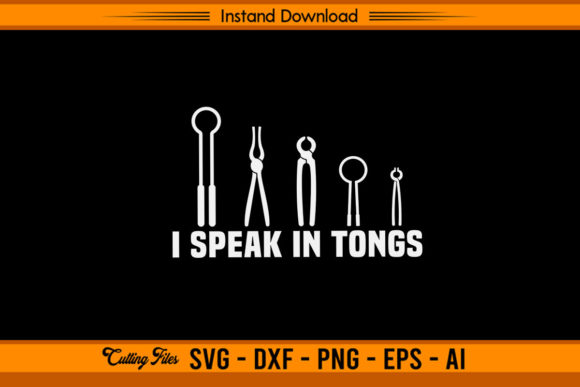
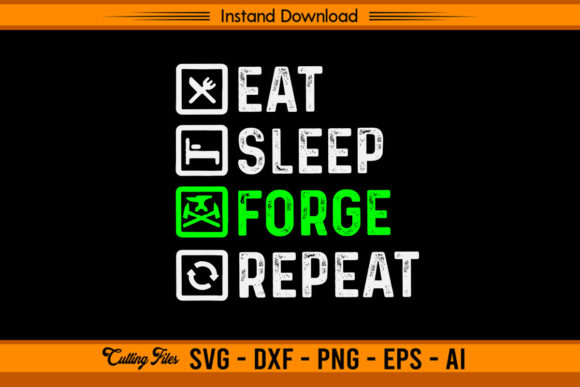
As a designer who has spent countless hours digitizing and testing patterns for real-world application, I approach every new machine embroidery design with a mix of curiosity and skepticism. We have all seen the flood of generic clipart converted into poorly optimized stitch files. However, when I pulled up the Eat Sleep Forge Repeat Funny Blacksmith concept, I was immediately drawn to its bold, industrial personality. This is not just another cute farmhouse slogan; it carries weight, texture, and a specific attitude that resonates with a growing niche of makers and hobbyists.
The first impression is one of rugged simplicity. The layout typically associated with this theme relies on strong, blocky typography or iconic imagery like anvils and hammers. For an embroidery project, this visual personality is a gift. It suggests durability and craftsmanship, making it a natural fit for heavy-duty items rather than delicate linens. When evaluating this as a potential asset for my craft business, I looked past the digital preview and imagined the thread hitting the fabric. Does the design hold up under the needle? Does it translate well from a screen to a tactile, stitched surface?
Real-World Application: The Custom Apron Test
To truly understand the value of any embroidery file, you must place it in a specific context. I recently worked on a commission for a local artisan who runs a small blacksmithing workshop. He needed branded merchandise that felt authentic, not mass-produced. I considered using the Eat Sleep Forge Repeat Funny Blacksmith motif for a set of heavy canvas aprons. This was the perfect test case.
The design’s inherent boldness meant it did not get lost in the coarse weave of the canvas. Unlike intricate floral patterns that can look muddy on textured fabrics, this graphic style thrives on high contrast. I selected a thick satin stitch for the lettering to give it a raised, premium feel, while using a fill stitch for any accompanying iconography to ensure solid coverage. The result was striking. The customer loved how the design communicated his passion instantly. It transformed a standard work apron into a statement piece that he could wear at craft fairs or sell as part of his boutique branding.
Versatility Across Product Lines
Beyond aprons, this design has surprising versatility for the modern Etsy seller or handmade shop owner. Because the theme appeals to both professional metalsmiths and hobbyist enthusiasts, it opens doors to various product categories. Consider sweatshirt embroidery. A chest-left placement of this design on a heavyweight charcoal grey hoodie creates an understated yet recognizable look. It avoids the tackiness of oversized back prints while still offering clear brand or personal identification.
For those focusing on personalized gift markets, this design works well on durable tote bags. A tote bag design featuring this slogan appeals to the "maker" demographic who appreciate the humor in the repetitive nature of their craft. It also translates effectively to embroidered patch formats. Patches are currently trending, and a dense, well-digitized version of this design can be ironed onto jackets, tool bags, or hats, adding significant perceived value to a simple base garment.
However, we must address the source format. The product description notes these are SVG and PNG cutting files for machines like Cricut or Silhouette. As an embroidery specialist, I must clarify a critical distinction. While these Graphics are excellent for vinyl cutting or heat transfer, they are not native digital embroidery file formats like PES or DST. To use this in an embroidery machine, you would need to digitize the SVG vector yourself or convert it using specialized software. This is a crucial step for any craft business owner. If you are comfortable with digitizing, the clean lines of the SVG make this process smoother. If not, ensure you have the right tools or services to convert these design assets before promising stitched products to clients.
Technical Considerations and Stitching Challenges
Even with a strong design, technical execution determines the quality of the finished product. When working with a theme like blacksmithing, the expectation is durability. This means your choice of stabilizer is non-negotiable. For stretchy fabrics like t-shirts, a cut-away stabilizer is essential to prevent puckering around the dense text. For woven fabrics like canvas or denim, a tear-away may suffice, but I always recommend testing on scrap fabric first.
Pay close attention to stitch density. If you are digitizing this from the provided SVG, avoid making the fill areas too dense, which can cause fabric distortion or needle breaks. Conversely, if the design includes thin lines, ensure they are wide enough to be caught by the needle. Tiny lettering can disappear if the stitch angle is not optimized. I advise reviewing the design in black and white mockups to check for contrast issues, especially if planning to stitch on dark fabrics. Light thread colors on dark backgrounds require precise underlay stitching to prevent the fabric from showing through.
Also, consider the hoop size. This design likely fits well in a 4x4 or 5x7 hoop, making it ideal for smaller items like baby embroidery projects (perhaps for a future little maker) or pocket placements on shirts. However, avoid placing it on highly curved surfaces like the front of a baseball cap unless you have experience with cap frames and adjusting pull compensation, as the rigid text can distort on rounded surfaces.
Commercial Viability and Brand Trust
From a business perspective, using a recognizable and humorous slogan like Eat Sleep Forge Repeat Funny Blacksmith can enhance buyer engagement. It creates an emotional connection with customers who identify with the lifestyle. For commercial embroidery projects, consistency is key. Ensure that your thread colors align with your brand palette. Earth tones, metallics, and stark blacks work best here. Avoid neon or pastel threads unless you are aiming for a specific ironic aesthetic, which may dilute the rugged appeal.
Before listing any small shop product featuring this design, confirm the licensing terms. Since the source files are marketed as cutting files, verify if the creator allows commercial use of the derived embroidered items. Many designers allow it, but some restrict it to personal use only. Protecting your craft business from intellectual property issues is as important as the stitching itself.
In conclusion, while the Eat Sleep Forge Repeat Funny Blacksmith starts as a digital graphic in the Crafts category, its potential in embroidery is significant. It offers a bold, clear aesthetic that performs well on sturdy fabrics and appeals to a dedicated niche. With careful digitization, proper stabilizer selection, and thoughtful product placement, it can become a standout item in your portfolio. Whether for a custom gift or a retail line, this design rewards the designer who pays attention to the details of stitch and fabric interaction.