Dasher Dancer Prancer Funny Reindeer Review
As a designer who has spent years navigating the intersection of digital art and physical thread, I approach every new machine embroidery design with a mix of excitement and skepticism. The market is flooded with generic holiday graphics, but finding a piece that balances humor with technical stitchability is rare. Today, I am putting Dasher Dancer Prancer Funny Reindeer under the microscope. This isn't just another festive file; it's a potential asset for your craft business or a standout addition to your personal holiday decor. Let's dig into how this specific Graphics file translates from screen to fabric.
First Impressions: Humor Meets Holiday Tradition
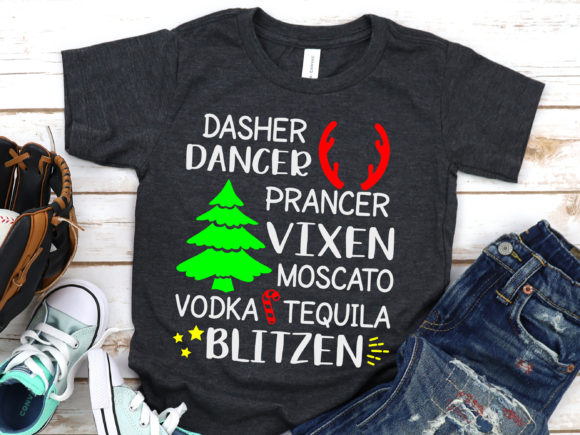
When you first open the digital embroidery file, the visual personality of Dasher Dancer Prancer Funny Reindeer immediately stands out. It moves away from the traditional, dignified reindeer silhouettes we see on greeting cards and leans into a playful, modern aesthetic. The layout suggests a dynamic arrangement, likely featuring the classic names alongside unexpected twists like "Vixon" and references to adult beverages such as Moscato, Vodka, and Tequila. This creates a mood that is distinctly cheeky, perfect for the adult-oriented gift market or the "ugly sweater" crowd.
From a design perspective, the silhouette style is crucial. Silhouettes in embroidery often rely heavily on fill stitch rather than intricate outlining. This means the success of the final product depends entirely on the density and direction of the stitches. If the fill is too loose, the shape will look ragged; if it is too dense, the fabric may pucker. My initial assessment is that this design prioritizes bold shapes over fine details, which is generally a smart move for holiday embroidery projects intended for mass production or quick turnaround times.
A Real-World Scenario: The Custom Sweatshirt Project
To truly understand the value of Dasher Dancer Prancer Funny Reindeer, let's visualize a real project. Imagine you are an Etsy seller preparing for the December rush. You have an order for a custom crewneck sweatshirt for a group of friends heading to a holiday party. They want something funny, not cheesy. You decide to use this design for sweatshirt embroidery.
In this scenario, the placement is key. A large chest print or a back-of-shirt application would work well here. Because the design includes text elements mixed with reindeer figures, the hierarchy must be clear. When stitching this onto a heavy cotton fleece or French terry, the texture of the fabric interacts with the stitch density. On a dark-colored sweatshirt, you would need to ensure the thread colors pop. A white or metallic gold thread color against a charcoal gray background would make the humorous text legible and the reindeer shapes distinct.
The customer reaction in this case would likely be positive because the design feels curated. It shows that the maker understood the client's desire for humor. Unlike a generic store-bought shirt, a handmade product featuring Dasher Dancer Prancer Funny Reindeer carries a sense of personality. It transforms a simple garment into a conversation starter, increasing the perceived value of your handmade product.
Technical Considerations for Embroidery Designers
While the concept is strong, the execution requires attention to detail. As you prepare to digitize or stitch this embroidery file, there are several technical hurdles to consider. First, always test the design on scrap fabric first. Even if the preview looks perfect, the interaction between the needle, thread, and stabilizer can change the outcome.
One critical area is the handling of small text. Designs that include lists of names or short phrases like "Moscato" or "Tequila" can suffer from legibility issues if the font size is too small for the chosen hoop size. In embroidery, tiny lettering often turns into a solid blob of thread unless the stitch count is optimized. If you are using this for a custom apparel item where space is limited, consider scaling the design up rather than squeezing it down. A larger scale ensures that the running stitch outlines remain crisp and the fill stitch areas are even.
Fabric choice also dictates success. If you plan to use this design on a tote bag design made of canvas, the stability of the material works in your favor. However, if you are attempting this on stretchy knit fabrics or thin materials like tea towels, you must use a high-quality stabilizer. Without proper backing, the tension required for the fill stitches can distort the fabric, ruining the clean lines of the reindeer silhouettes. For curved surfaces like caps or hats, be cautious. The curvature can cause the straight lines of the text to bow or the corners of the shapes to shift. Always check whether the design works for both personal and commercial projects before committing to a batch.
Where to Use With Caution
Not every project is suitable for Dasher Dancer Prancer Funny Reindeer. While versatile, there are scenarios where this design might struggle. Avoid using it on highly textured fabrics like bouclé or thick wool blends where the needle cannot penetrate cleanly. The resulting holes could be visible and unsightly.
Additionally, be wary of products that require frequent washing, such as kitchen aprons or baby clothes. Although the design is fun, the combination of multiple colors and dense stitching can lead to fading or fraying over time if not secured properly. If you are creating a personalized gift for a child, ensure the thread is secure and the design does not pose a choking hazard with loose ends. For commercial embroidery, consistency is king. If you are selling these as part of a collection, ensure that every finished product matches the quality of your best sample. One poorly stitched item can damage your brand reputation.
Maximizing Visual Appeal and Business Value
Ultimately, the goal of using a design like Dasher Dancer Prancer Funny Reindeer is to create a finished product that sells itself. The visual appeal comes from the contrast between the whimsical subject matter and the precision of the stitching. When done correctly, the design enhances customer trust by demonstrating professional craftsmanship.
For small shop owners and creative entrepreneurs, this type of design asset offers versatility. It can be adapted for embroidered patches, applied to pillow covers, or used as a focal point on nursery decor (perhaps with a modified version for kids). The key is to maintain brand consistency. If your shop specializes in modern, witty holiday goods, this design fits perfectly. If your brand is strictly traditional, it might clash.
Before listing items for sale, create a printable mockup to show potential buyers exactly how the design will look on different backgrounds. Test it in black and white to ensure the contrast holds up without relying solely on color. Confirm licensing before selling finished items or digital products to avoid legal issues. By taking these steps, you ensure that Dasher Dancer Prancer Funny Reindeer becomes a profitable and beloved addition to your holiday collection, proving that thoughtful design choices lead to better results in the world of Crafts.